Unlock this content with a Rosendale Online subscription.
Get unlimited access to all of Rosendale Online.
Already a Rosendale Online member?
Log in
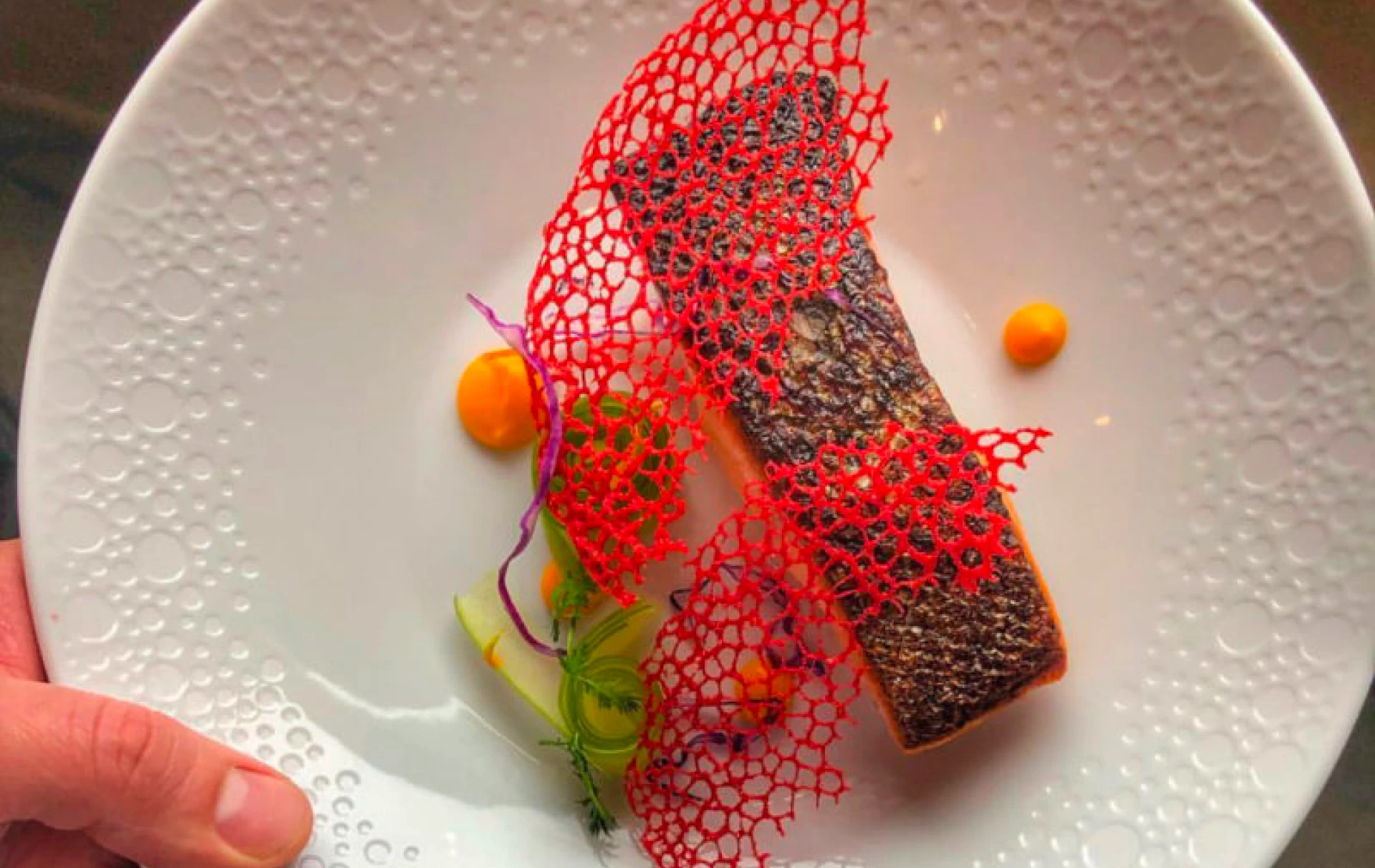
A tuile is a thin, crisp wafer that originates from France. Most often made from a simple wheat flour dough (or occasionally cheese), tuiles can be either sweet or savory. Named for the French word for tile, tuiles resemble the arced tiles that line the rooftops of traditional French country homes. To achieve a curved shape, you can shape tuiles on a curved surface, like a rolling pin or wine bottle; alternately, they can also be left flat after cooking. Tuiles must be curved while they are hot, otherwise they will crack and break.
With just a few ingredients, you can make beautiful tuiles like this unique "coral" tuile that's made with water, oil, beet juice and flour. The addition of beet juice to the batter gives the tuile its brilliant color. The evaporation of the water at a lower temperature than the oil produces the bubbled “coral” effect while the oil helps cook the flour. When most of the water in your pan has evaporated, the tuile is ready to go!

Step 1
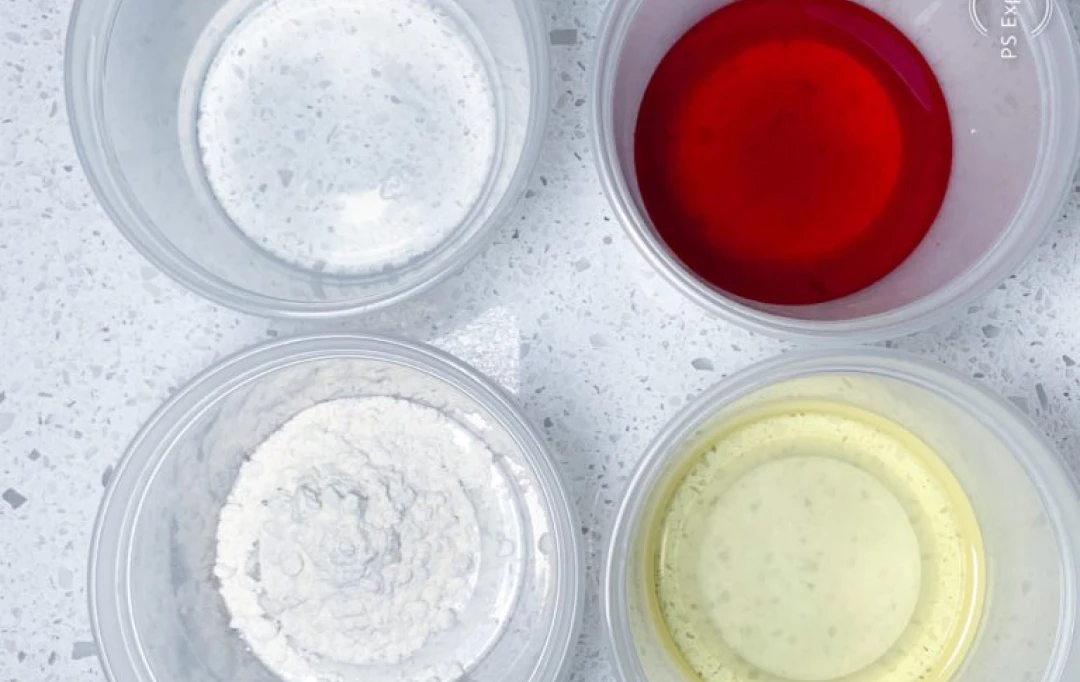
Before you begin, prepare your mise en place: Measure flour, beet juice, water and vegetable oil in separate containers.
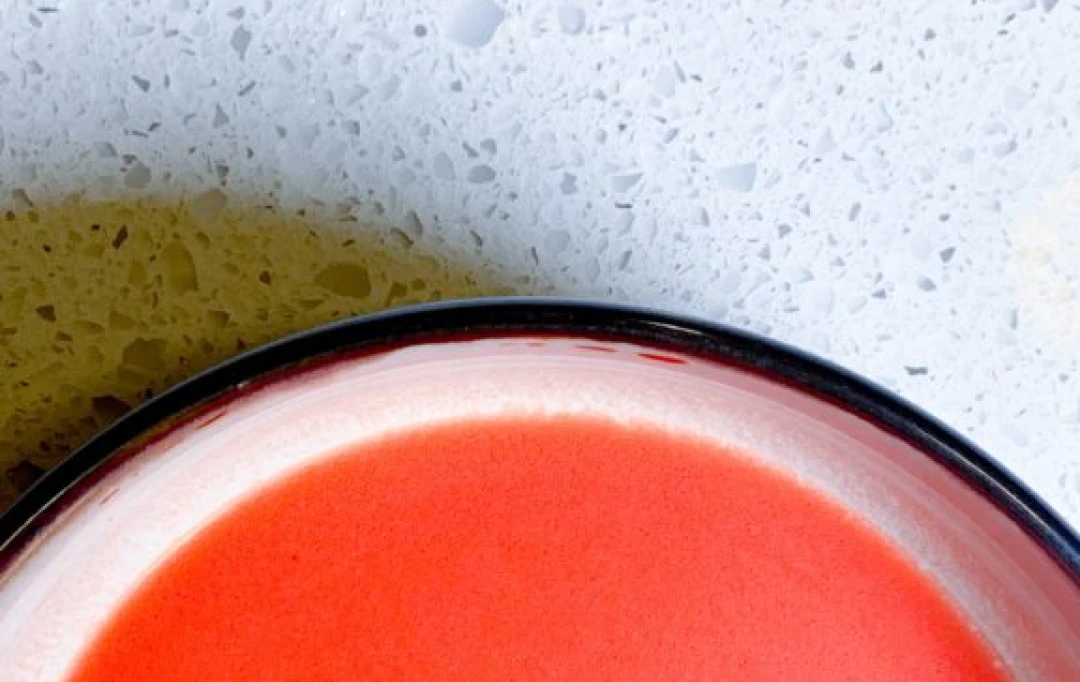
Step 2
In the container of a Vitamix or another blender, add all of the ingredients and begin to blend on low speed for about 30 seconds. Once the ingredients are fully incorporated, transfer them to a container and reserve.
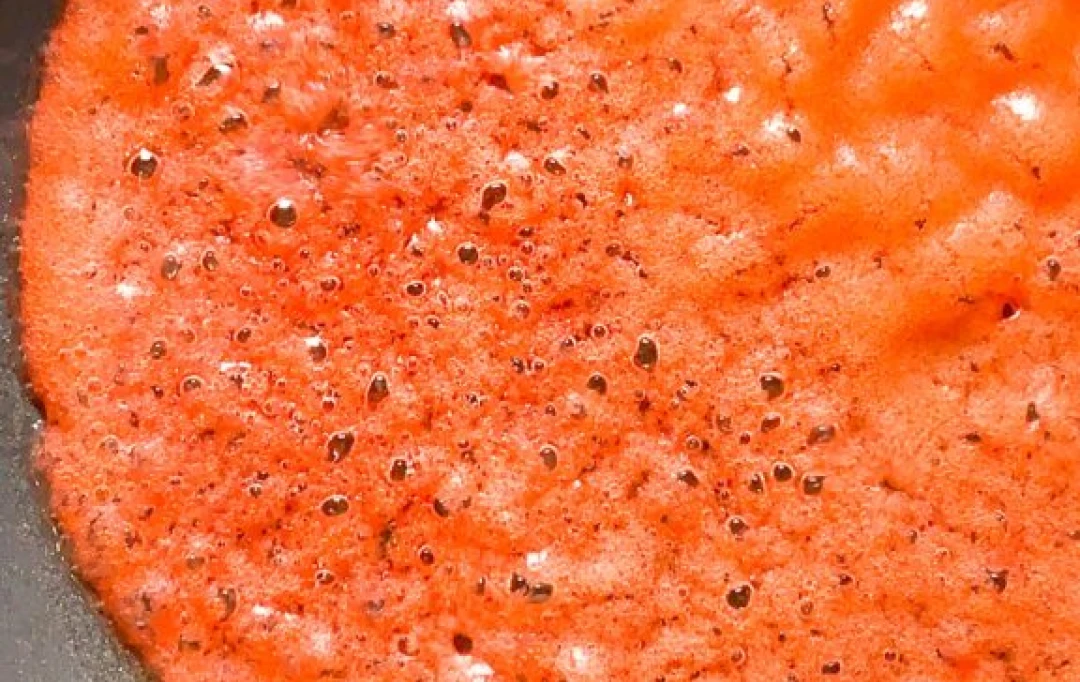
Step 3
Preheat a sauté pan for 1 minute at 250 degrees F. Add enough batter to cover 3/4 of the diameter of the saucepan. The batter will start to boil and create air bubbles, which is part of the process.
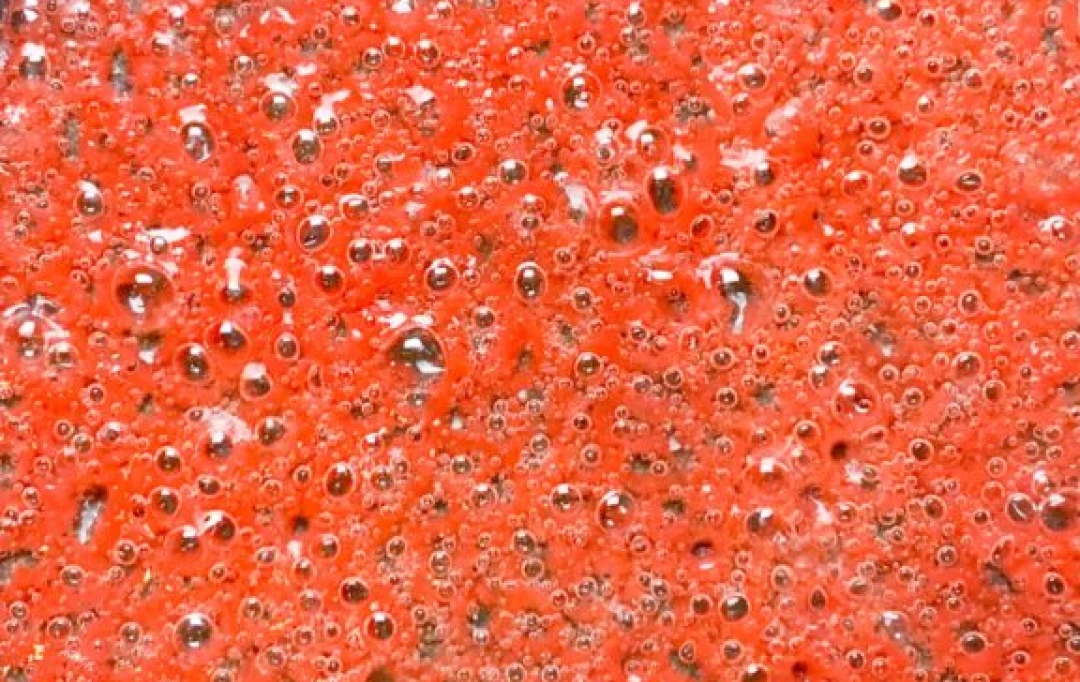
Step 4
Keep the pan on medium heat and continue cooking. The air bubbles will multiply and start to spread which will create the coral effect.
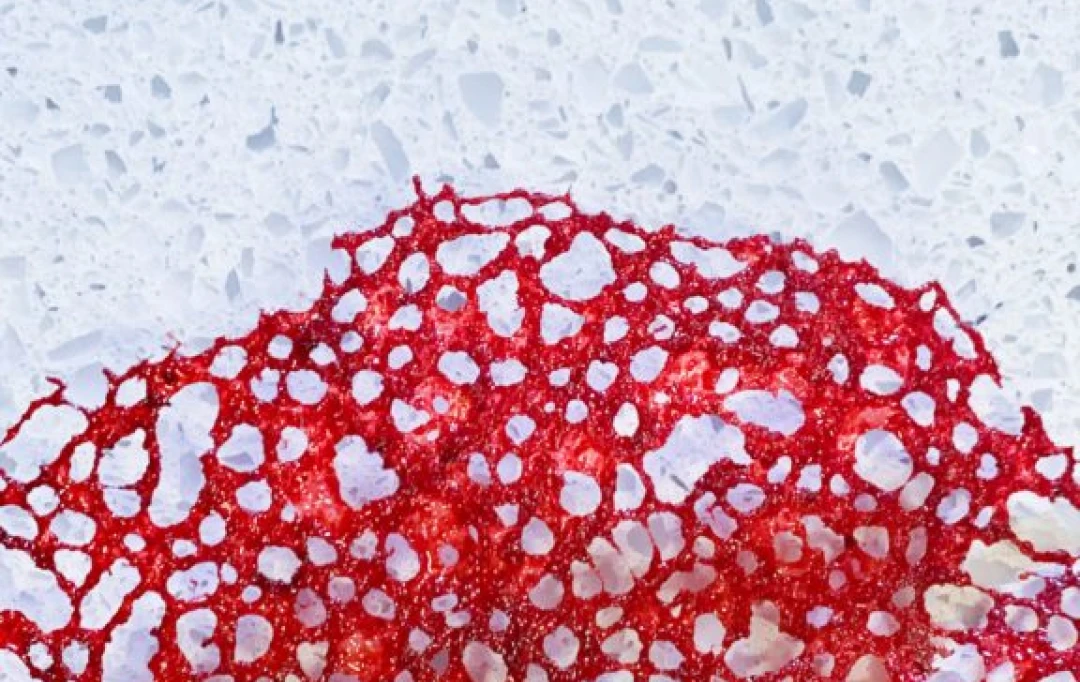
Step 5
Once about 75–95 percent of the liquid has evaporated, the coral tuile will be ready. Watch the temperature of the sauté pan carefully, as tuiles can burn easily. With an offset spatula, carefully remove the tuile from the sauté pan and drain the excess liquid. Shape as desired while tuile is still hot. Let cool and use as needed.