Unlock this content with a Rosendale Online subscription.
Get unlimited access to all of Rosendale Online.
Already a Rosendale Online member?
Log in
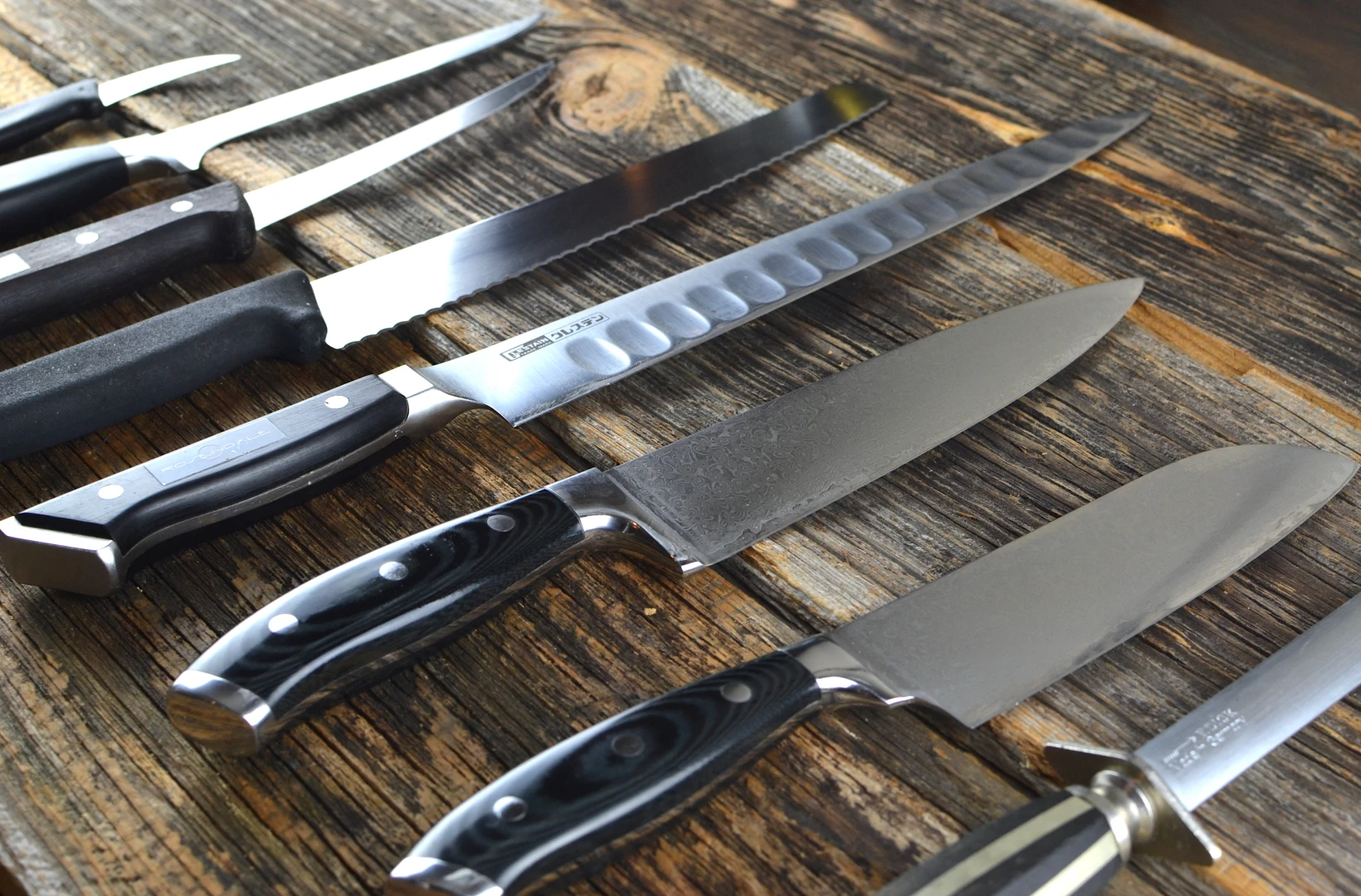
A chef is only as good as their knife skills—but having the right tools makes all the difference.
In this “Knives 101” session, Chef Rosendale shares his expert insight on the essential knives every chef should carry in their kit. From precision cuts to everyday prep, discover which tools deserve a spot in your bag—and remember, as we like to say, “Skills sold separately.”

Step 1
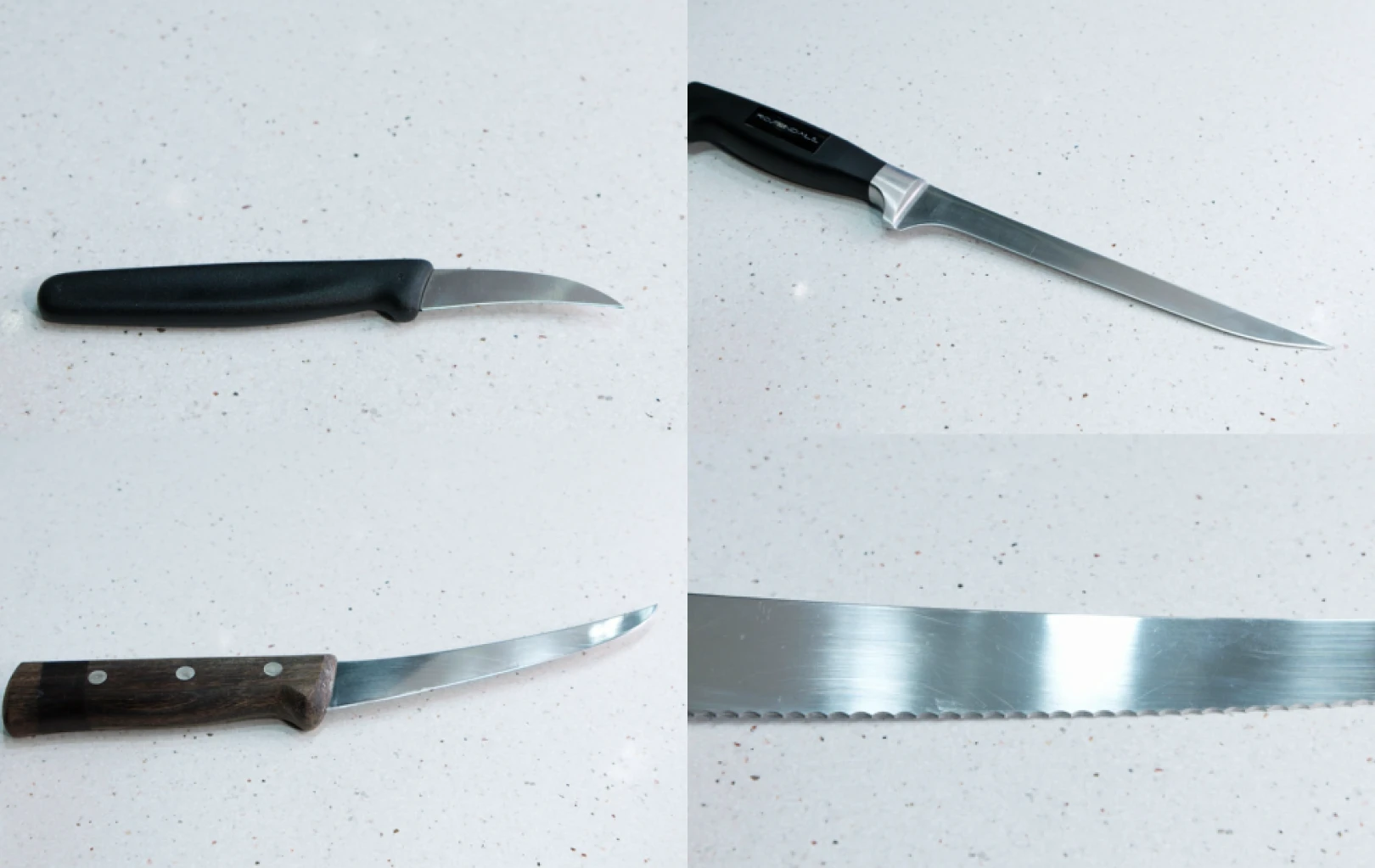
A bird's beak paring knife is great for easily maneuvering around vegetables and crevices in your food.
Step 2
Filet knives are great for fish. They are very flexible, which makes it easier for you to slice through fish and around bones.
Step 3
Boning knives are perfect for butchering meats such as brisket, pork and lamb.
Step 4
Bread knives are great for bread but also work well for soft fruits and vegetables such as kiwi and tomatoes.
Step 5
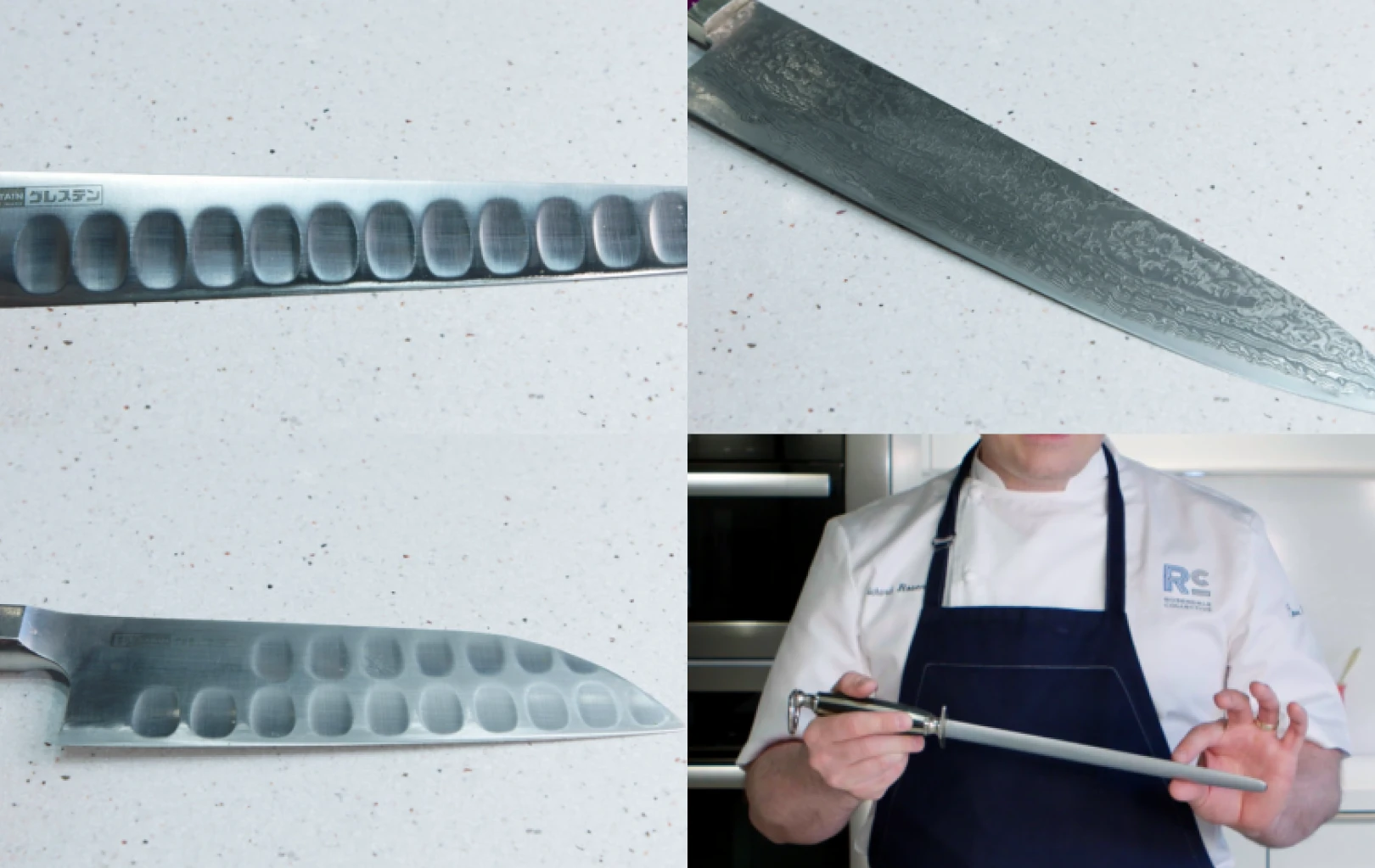
The Glestain slicing knife is for slicing and carving meats. The dimples along the blade prevents meat from sticking to the knife for a smooth cut.
Step 6
The chef's knife is your all-purpose knife. This knife is great for chopping fresh herbs and vegetables.
Step 7
This Santoku knife is ideal for cutting starchy vegetables or soft cheeses that tend to stick to your blade.
Step 8
Your steel or honer is for keeping the edge on your blade and sharpening your knives.