Unlock this content with a Rosendale Online subscription.
Get unlimited access to all of Rosendale Online.
Already a Rosendale Online member?
Log in
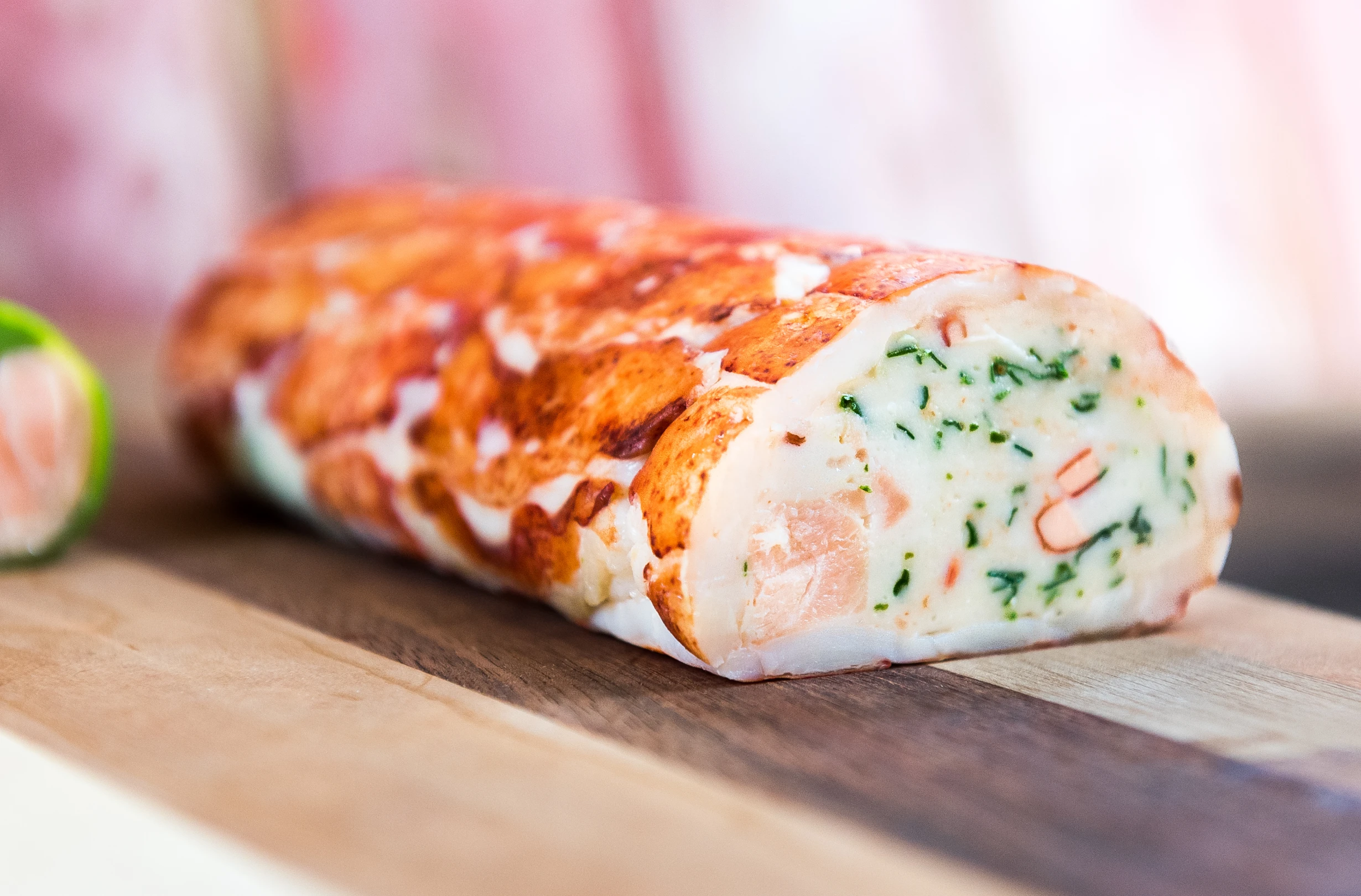
This terrine is one of the most iconic presentations in culinary competitions, renowned for its precision and artistry. Chef Rosendale first created it for his debut international event at Expogast in Luxembourg in 2002.
In that competition, the terrine was featured on an elaborate platter alongside lobster and salmon, earning Chef Rosendale a rare perfect score in his first international showing. Its striking composition and technical excellence have since made it a hallmark piece associated with his competitive culinary work.

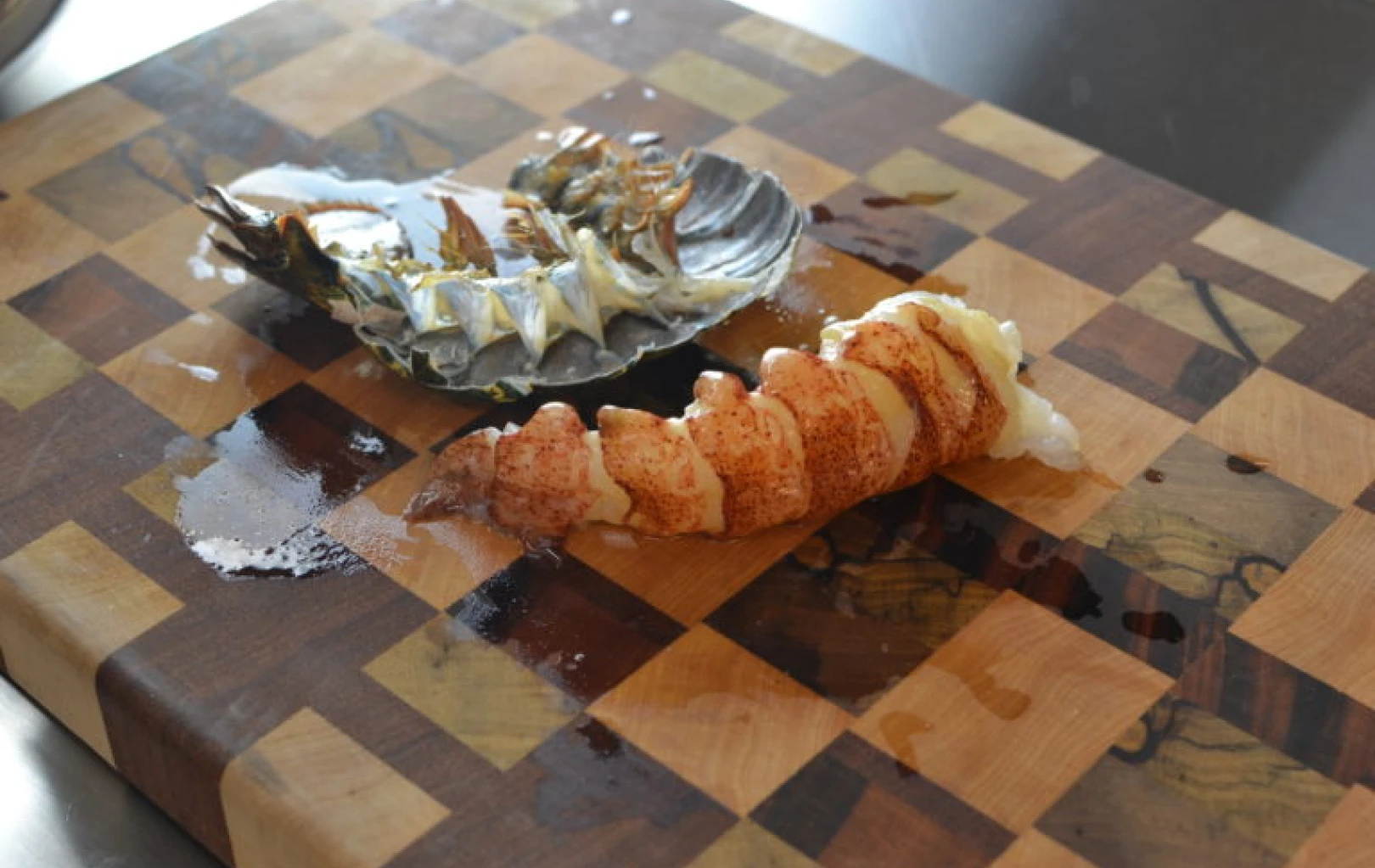
Step 1
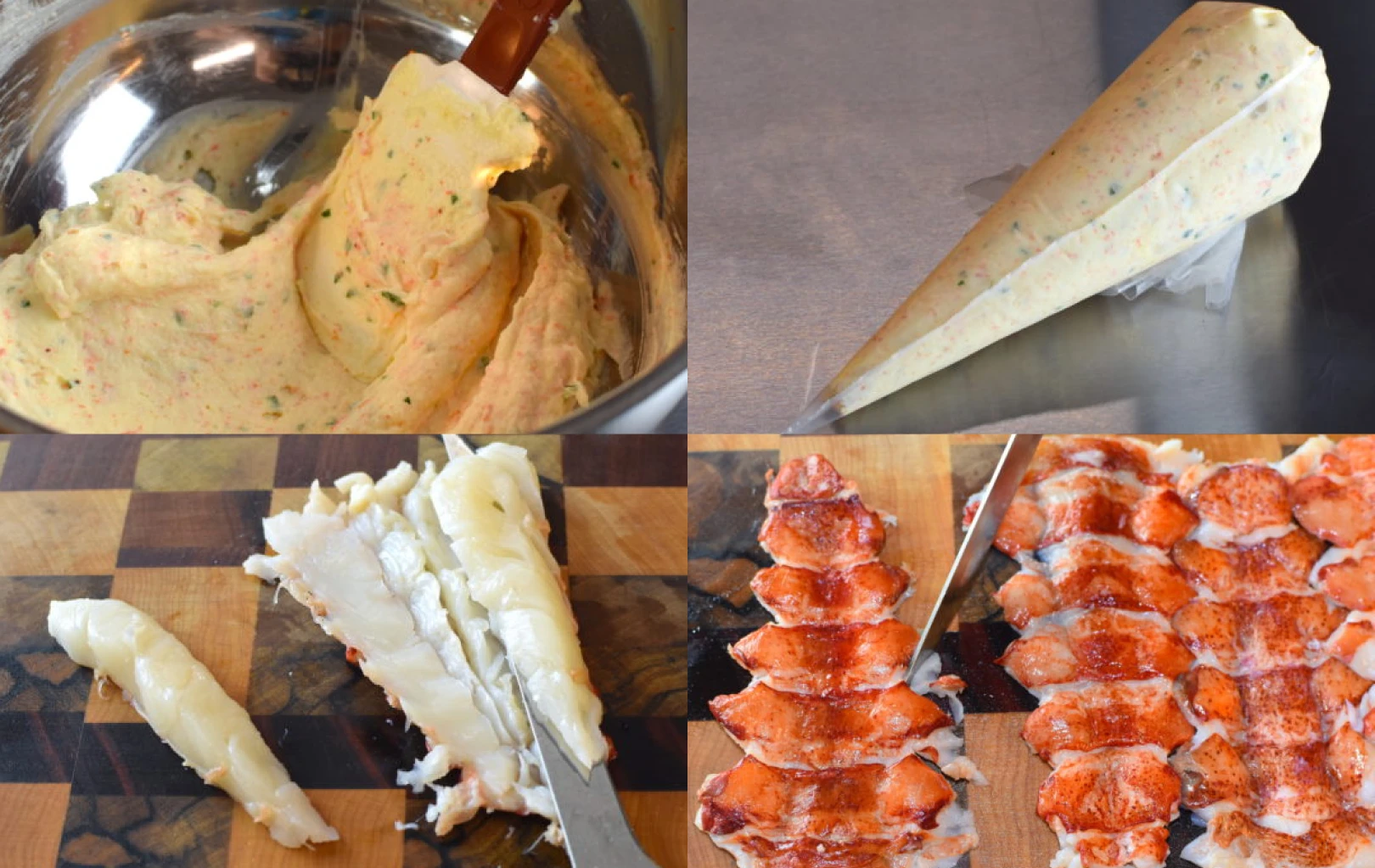
Carefully remove the lobster meat from the shells. We used IQF lobster tails for this terrine as seen in the picture.
(NOTE: You may use fresh 1.5-pound lobsters instead if you prefer. If you are using them, blanch the claws for 5 1/2 minutes and the tails for only 2 minutes before shocking in ice water to stop the cooking. Insert a dessert spoon handle through the tail to keep it straight during cooking. You may then proceed to remove the meat from the shell. You may also use the claws as garnish inside of the terrine.)
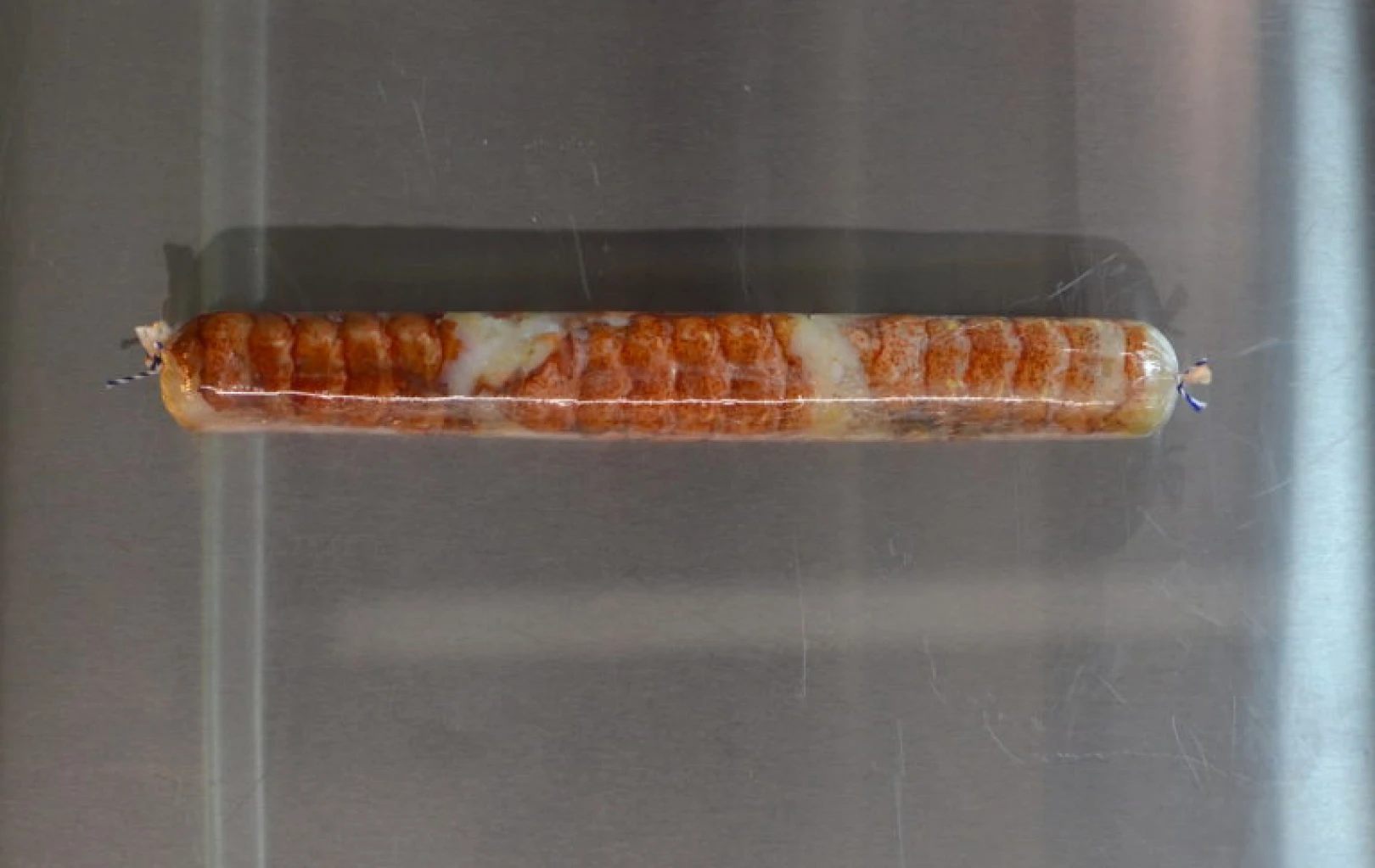
Step 2
Place the six lobster tails side by side on a sheet of plastic wrap. The tails should lay at opposite ends of each other so that when you roll them up, they will roll into a uniform cylinder. The bottom of one tail should be next to the top of another. They should be back to back so that when they cook they will not curl.
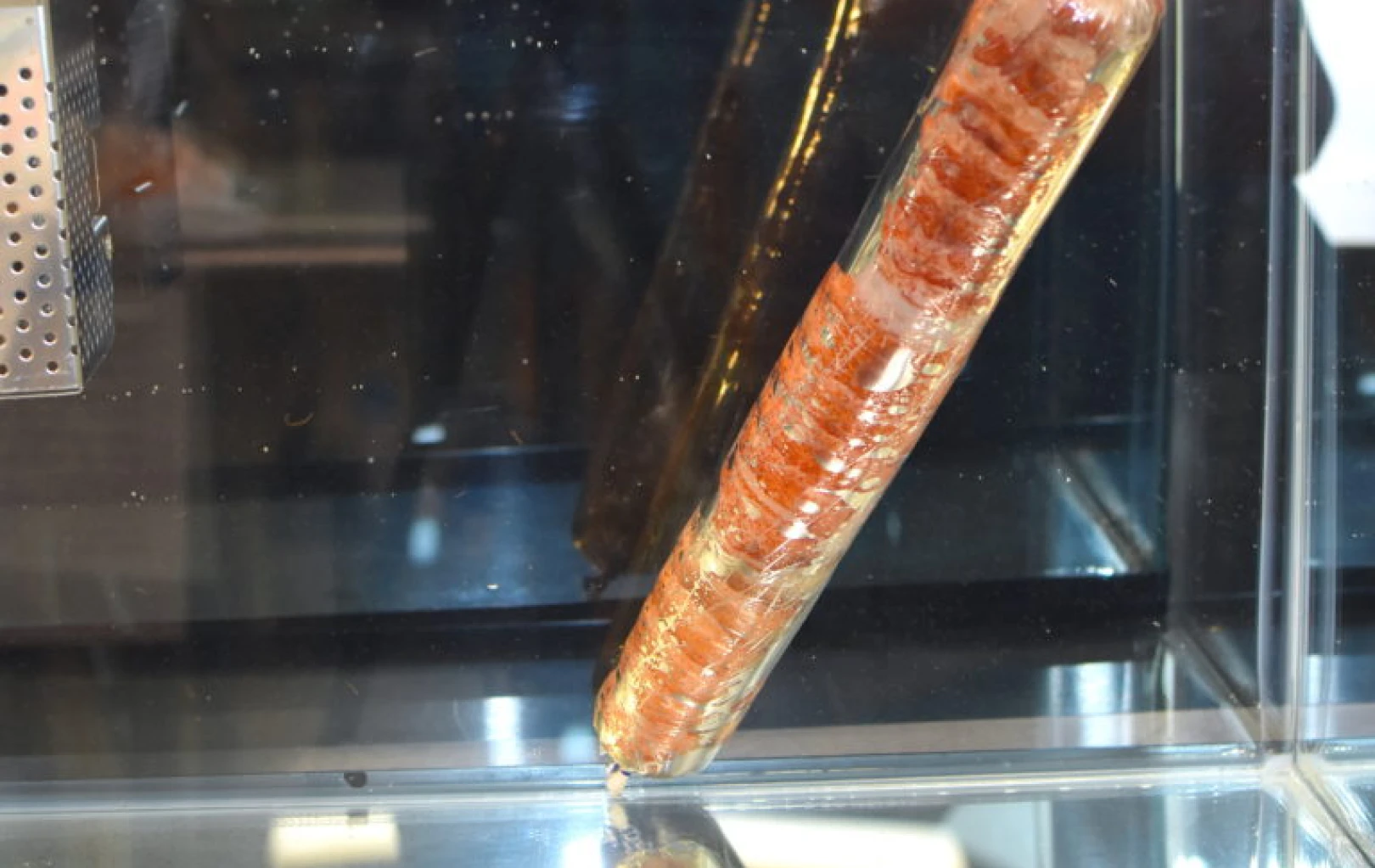
Step 3
Heat a water bath to 170 degrees F (76 degrees C) with an immersion circulator, and poach the lobster tails until they are just firm. This step should take about 6 to 8 minutes. Remove the lobster tails and shock them in ice water to stop the cooking process. Use a circulator to control the cooking temperature. (Note: Do not vacuum-pack the tails; doing so will distort the shape.)
Step 1
Place scallops, shrimp, egg, cream, salt and cayenne into a Pacojet beaker. Mix with a spoon to mix the ingredients so that they are equally distributed. Freeze the mixture overnight in a freezer set between 0 and 20 degrees F (-17 to -6 degrees C). After all the ingredients in the beaker have frozen, Pacotize twice to guarantee the mousse has been fully emulsified to yield a smooth mousse. Next, fold in the remaining garnish. (NOTE: Blanch the tarragon before chopping the leaves to take away from the intense flavor).
Step 2
After the mousse has been made, you can do a tester of the mousse by wrapping a small piece of it in plastic wrap and poaching it to taste for seasoning. Adjust the seasoning if necessary and place the mousse in a plastic pastry bag. Chill until ready to assemble the terrine.
Step 3
To prepare the tails, place them colored side down on a cutting board. Slice through both "loins" of the lobster, being sure to not cut all the way through the lobster tail. Cut away both "loins" from the tail and reserve. Repeat this with each tail.
Step 4
Trim in between the tail sections, cutting a wedge cut from in between each tail section so that the lobsters will fit perfectly side-by-side. This will ensure that when the tails are placed side-by-side, they "lock" with one another creating a nice, consistent red outside of the terrine.
.webp)
Step 1
Lay a sheet of plastic wrap on a clean work surface with it still connected to the roll of plastic. You will need additional plastic to roll the terrine. Ensure that you have all of the ingredients of the lobster terrine on your work station.
Step 2
Lay the red lobster flesh-colored side down on the plastic wrap. Alternate another tail side-by-side next to the lobster so that they are opposite (tail to body). After you lay all six tails down, you will have a long, rectangular-shaped layer of lobster meat. Sprinkle a little dry gelatin over the layer of tail meat as if you were sprinkling salt over meat.
Step 3
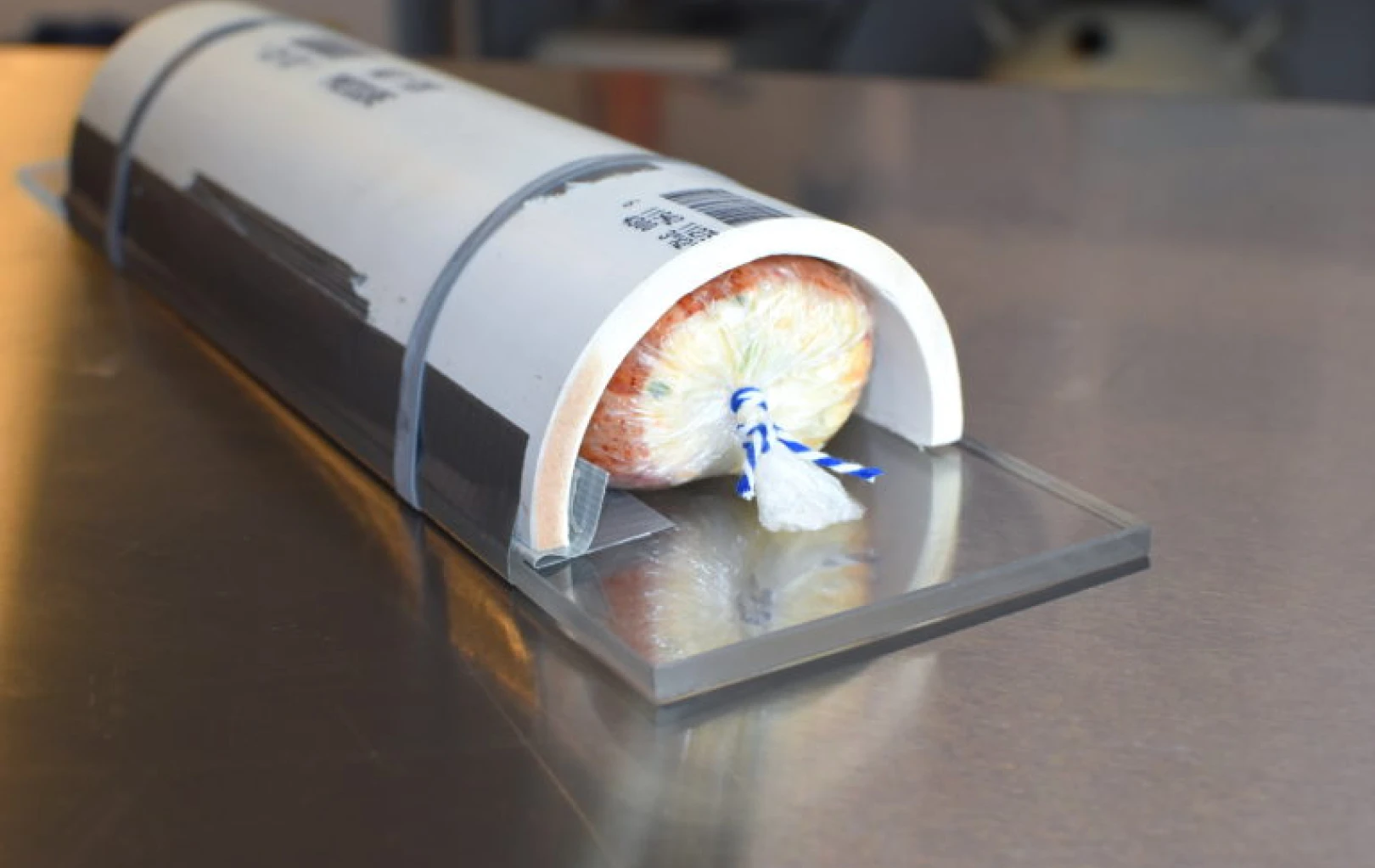
Pipe the lobster mousse over the tail meat evenly. Roll the terrine in a cylindrical shape and then press into a half tunnel PVC mold fitter with a flat bottom of plexiglass. The PVC mold helps maintain the shape while building the terrine and while it is cooking. You may remove the terrine from the mold to finish wrapping it and then set back in the mold during cooking.
Step 4
You may pierce the plastic wrap and tie both ends of the terrine to ensure excess air escapes the terrine before cooking. You want the tension to be firm when the terrine is in the mold to avoid any air spaces.
Step 5
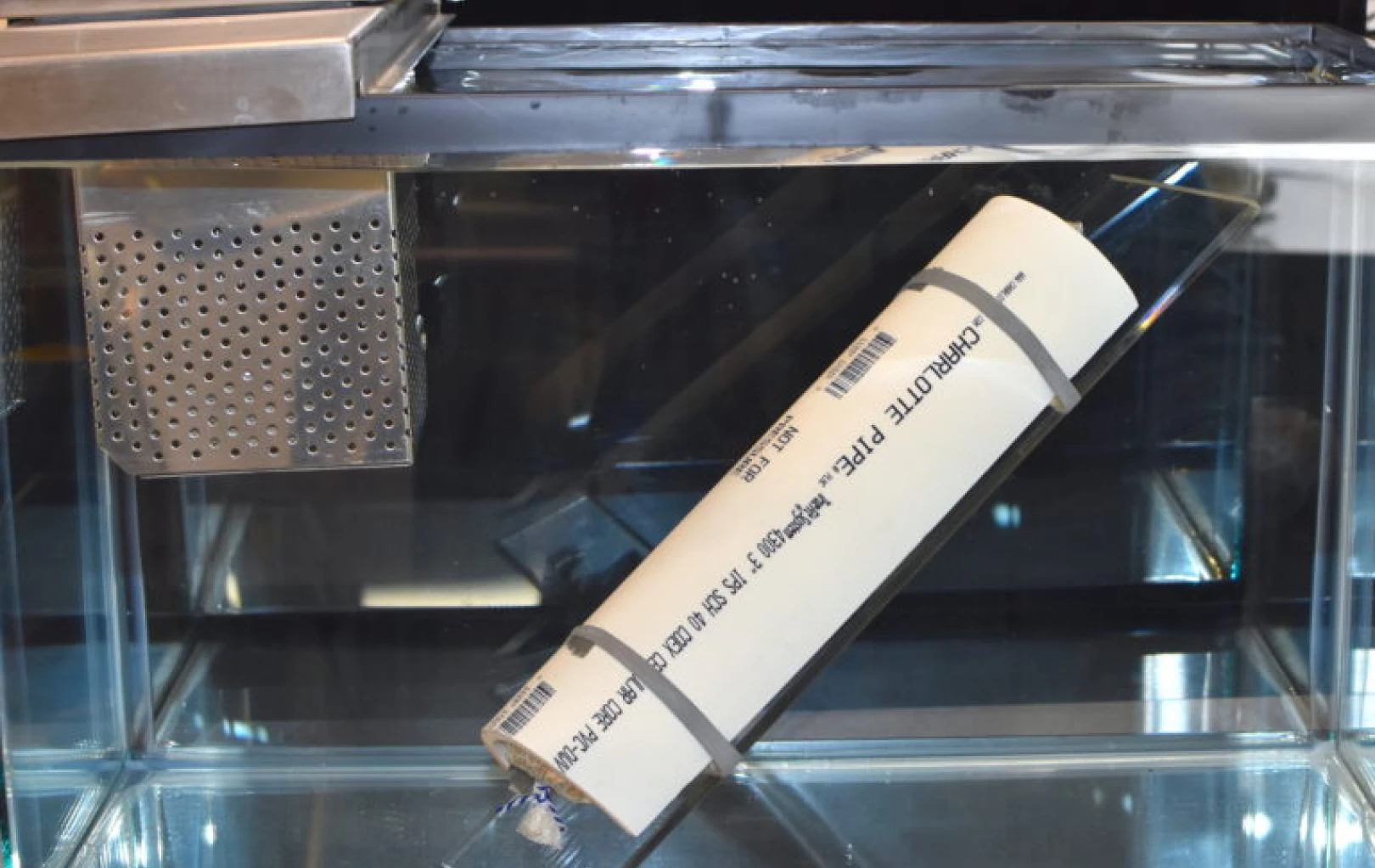
Tie both ends of the terrine with butcher’s twine and clamp the PVC and the plexiglass with 2 heavy rubber bands to ensure there is even tension on the terrine during the cooking.
Step 6
Cook the terrine in a water bath at 68.3 degrees C/155 degrees F until it reaches and internal temperature of 129 degrees F. Shock the terrine in Ice water before slicing.